Orange wine, explained
About skin contact, structure, and the story behind the color

Orange wine: the taste behind the hype
Whereas wine lists used to feature mainly white, rosé and red wines, many places have now added a new category: orange wine. Funnily enough, this is actually one of the oldest types of wine we know of in Europe, so it’s time to dive into this popular, colourful category.
Colour
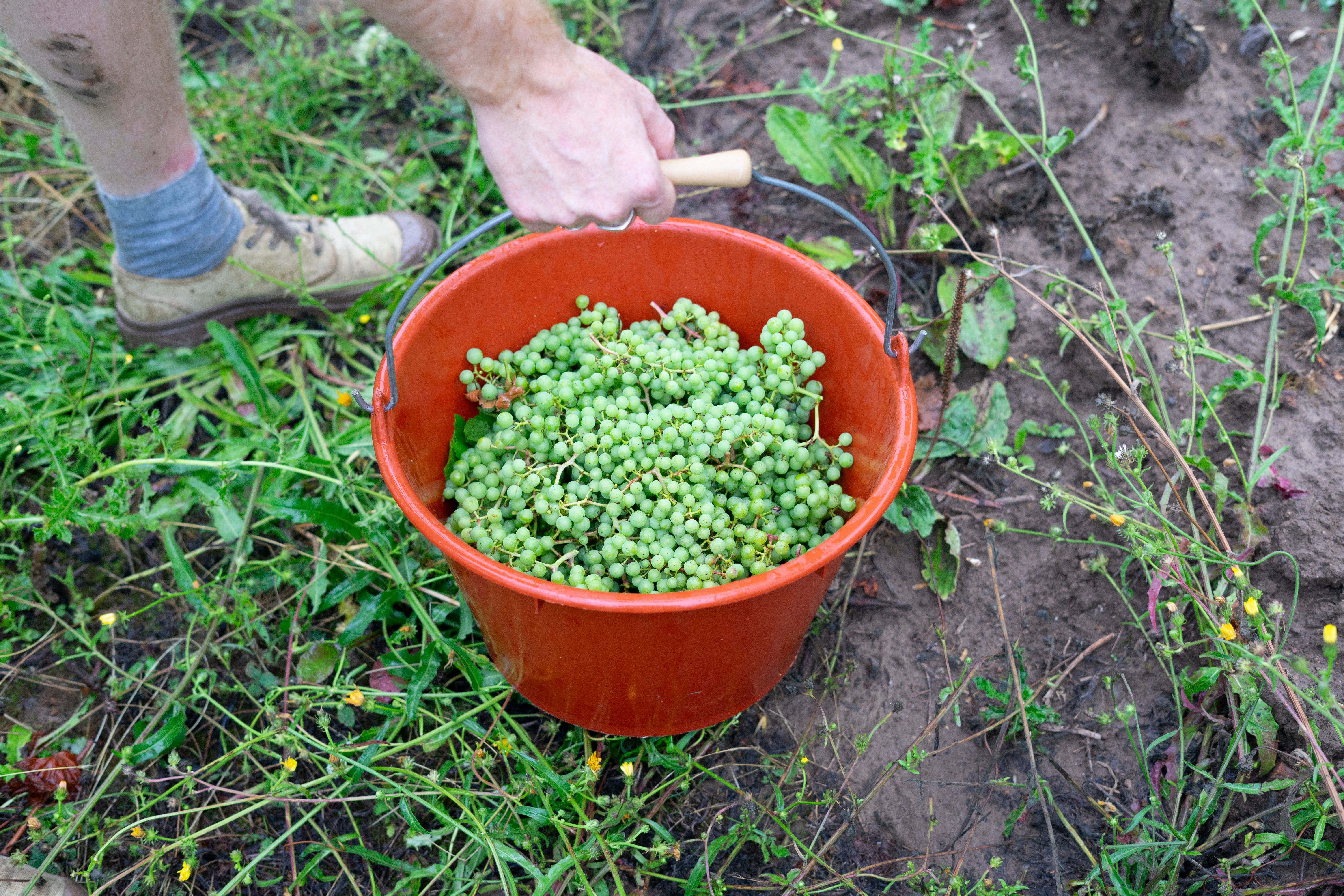
We’re only familiar with white and red (okay, blue) grapes, so how does wine suddenly get that orange colour? In short: orange wine is white wine, made the red wine way. Red wine is made by allowing the grape juice to ferment in contact with the grape skins, giving the wine a bright red colour. This doesn’t happen with white wine, resulting in a clear, pale white colour from the grape juice alone. With orange wine, the wine is made from white grapes, but the winemakers do allow the skins to ferment with the juice. The longer the skins remain in contact with the juice, the more intense the colour (and the flavour, but more on that later).
Flavour
Orange wine can (sort of) be seen as the big brother of white wine. Orange wines often have the same freshness as white wine, but with much more bite. Due to skin contact during fermentation, orange wines develop more tannins, more flavour and greater complexity.
The flavour of orange wine can go in any direction, from floral and fresh to earthy and funky. Common aromas include dried fruit (apricot), flowers (orange blossom), citrus (mandarin, orange peel) and nuts (almond).
Whereas white wines are often slightly fresher, red wines often offer more spice and structure. Orange wines combine the freshness of white wine with the structure and tannins of red wine. The skin contact gives orange wine an extra hint of bitterness in the flavour, often compared to orange peel or almonds.
How do you drink it?
Orange wine is excellent for filling the gap with dishes that don’t pair well with either white or red wines. Think, for example, of fermented products such as sauerkraut or Asian dishes with lots of spices. A cheese board is also an excellent pairing with orange wine, as it often complements the whole board rather than just one or two cheeses. Orange wine also pairs very well with earthy flavours such as mushrooms.
Furthermore, orange wine is best served between 10°C and 16°C, depending slightly on how dark the wine is. If the wine has had prolonged skin contact, the tannins will be more pronounced, so you’ll want to drink it slightly warmer.
The translation into L’étable Fumé
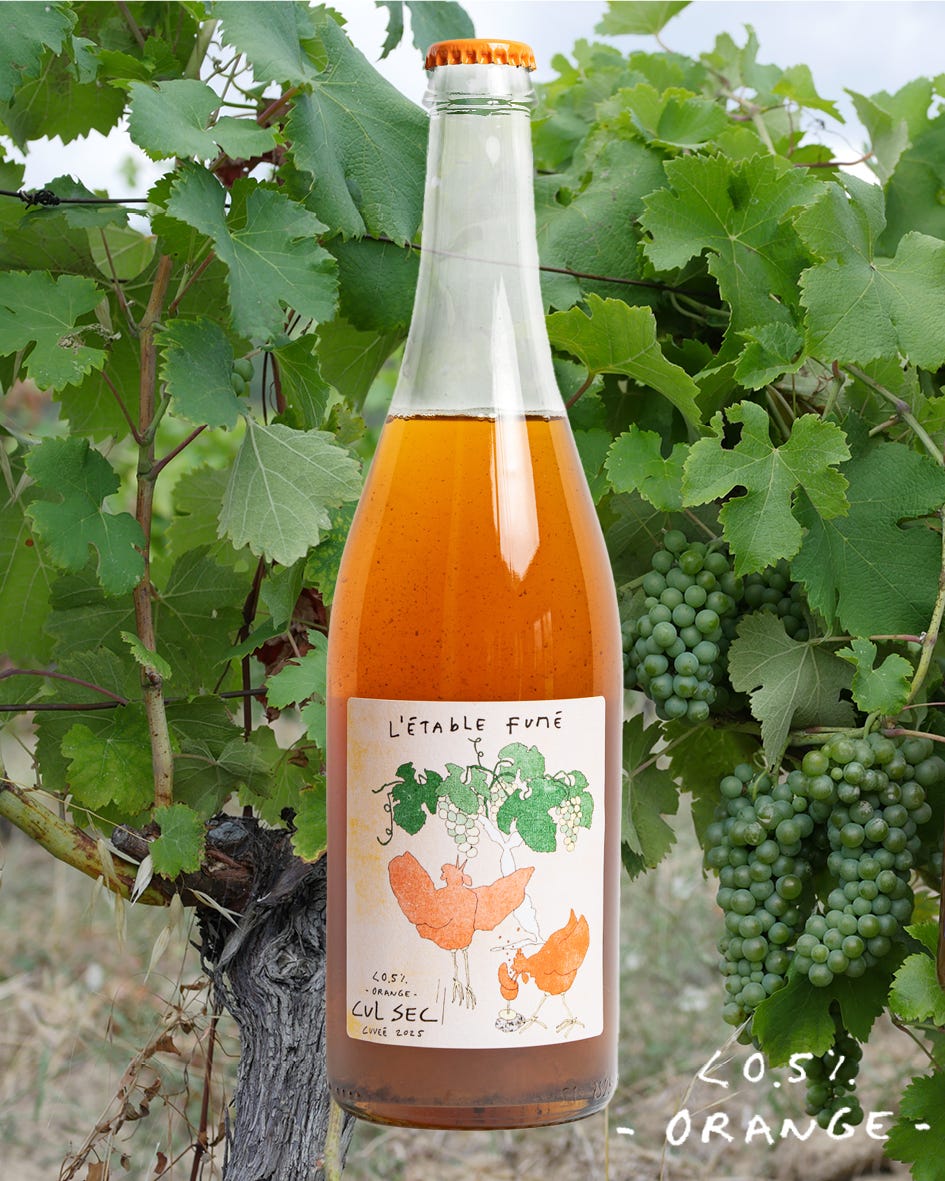
When developing Cul Sec L’étable Fumé, we explored how best to translate the characteristics of the orange wine into an alcohol-free alternative.
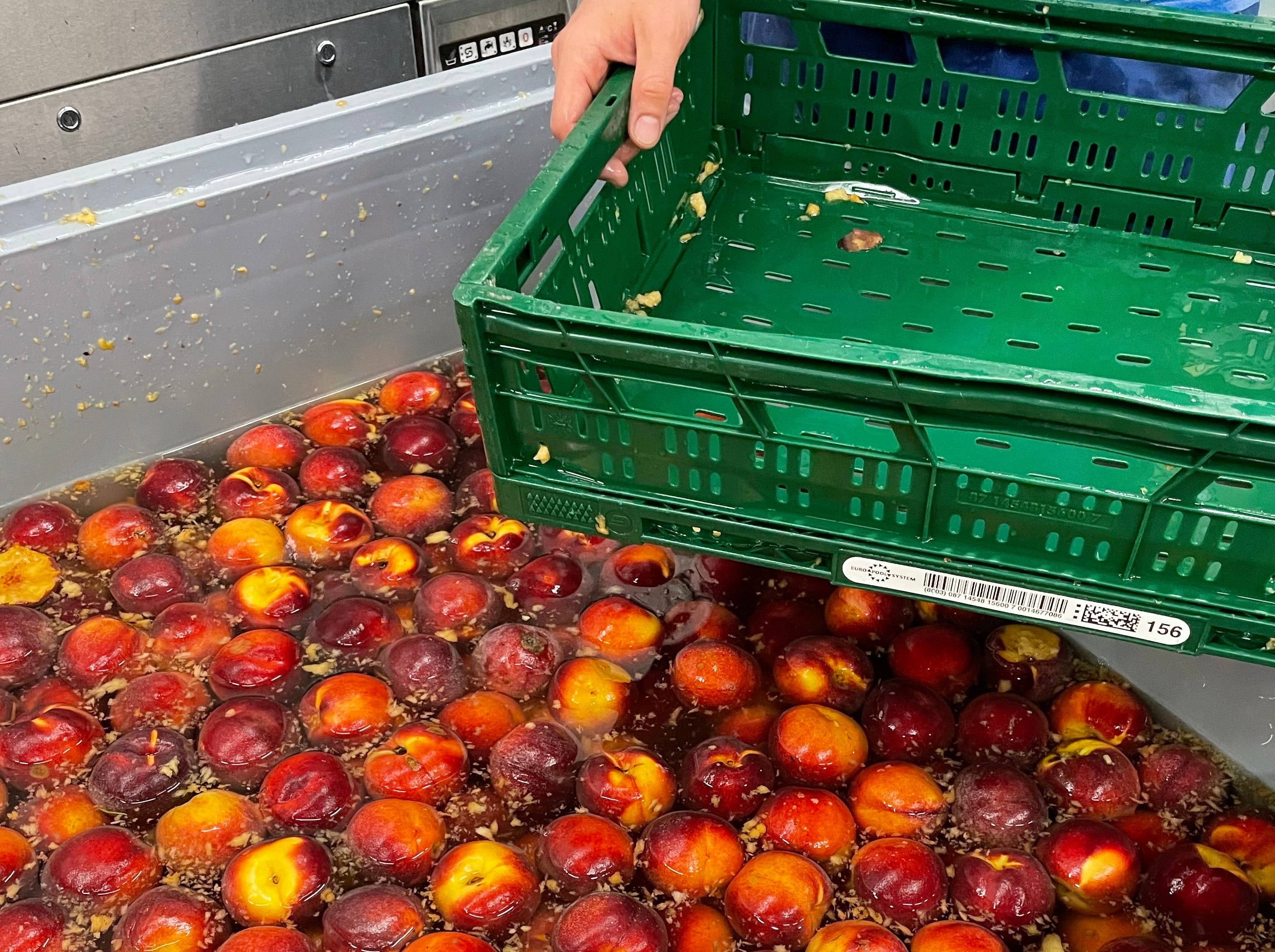
Ultimately, we chose to give L’étable Fumé a floral and slightly earthy character. The wine is based on Viognier and Sauvignon grapes. The floral notes come from a blend of Dutch herbs, chamomile and alfalfa, and a lacto-fermentation of celeriac. For the fruity body, we used a lacto-fermentation of peach, which also gives the wine the recognisable fullness that people associate with Viognier.
Rhubarb root takes over from the bitter notes that arise during fermentation with the grape skins. This adds a lovely, slightly medicinal bitterness, whilst simultaneously enhancing the oxidative notes. In addition, the kombucha from DeGrow Lab and an infusion of cepes enhance the earthy, barn-like character of L’étable Fumé.
You can drink L’étable Fumé with mushrooms, roasted chicken, lighter stews or spicy food. Read our article on pairings for Cul Sec on our Substack here.